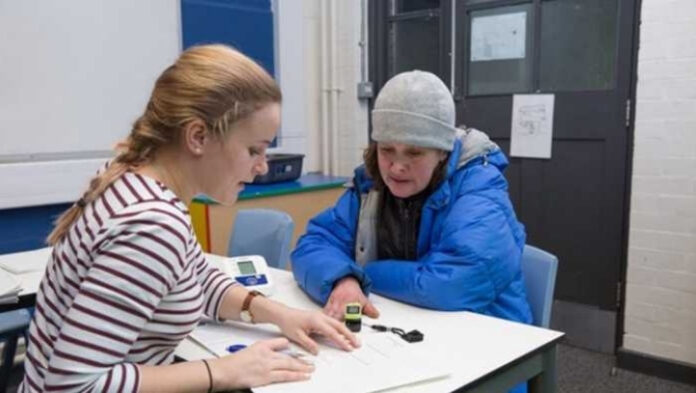

Response offers a comprehensive programme of learning through our in-house Learning Management System (LMS), Response-Ability. This platform is the central hub for all things related to learning and development. It hosts all mandatory training, tailored to each department and role, as well as our highly regarded MECC (Make Every Contact Count) – Achieving Change programme.
This strengths-based pathway of learning promotes psychologically informed environments, supporting staff to create safe, empowering spaces for themselves and the people we support. The programme covers a range of person-centred therapeutic approaches, including Trauma-Informed Care, Motivational Interviewing, and Talk Therapy.
We appreciate that effective learning and development provides benefits to our employees and the organisation as a whole, which ultimately contribute to the achievement of our organisation’s objectives.
The benefits of learning and development
- A highly skilled workforce proficient in the delivery of high-quality care, support and housing services for children, young people, and adults with mental health issues.
- Higher standards of work performance.
- Greater understanding and appreciation of factors affecting work performance.
- Sharing of ideas and teaching good practice.
- Increased motivation and job satisfaction for the individual.
- Greater understanding of Response’s business.
As an organisation we strive to ensure that our employees understand what their work role involves and that they are supported to enable them to achieve their work objectives. Each employee is encouraged to develop their potential, both personally and professionally through the completion of minimum training standards and the implementation of our Employee Continuous Feedback File which encompasses three key areas.
Our Employee Continuous Feedback File
The purpose of setting SMART performance goals and objectives that relate to the overall goals of the organisation ensures that our employees know exactly what they need to do in order to help the team, service/department, organisation to meets its corporate goals and strategy. They help provide clear direction and prioritise what is important and what’s less important. Setting performance goals and objectives helps our employees to realise their capability and potential while keeping them motivated.
Regular one to one meeting’s encourage and empower the exchange of open, honest and constructive feedback between managers and their employees while demonstrating a participative management style that is people led and designed to value effort and continuously improve performance. Continuous feedback provides a platform for recording conversations and acting as a guide to discuss day to day workload, wellbeing, and recognition of any achievements.
Our employees are our most valuable asset and conducting regular one to one meetings plays a key role in them understanding their value and worth to the organisation while sustaining their motivation; which in turn leads to a reduction in employee turnover and unplanned absence.
Personal Development Planning: We actively encourage the continuing professional development of our employees and having a PDP in place is an important part of the self-improvement journey as it helps our employees to identify what they would like to achieve and plan a roadmap for how they are going to get there. Once a PDP is in place, regular support meetings take place to discuss and review the development journey, and to plan ahead for their possible progression within the organisation. Through the use of our apprenticeship levy we encourage continued professional development (CPD) through the completion of professional qualifications such as Leadership and Management, Adult Social Care and Youth Support Worker; we find this to be a very effective way to nurture future leaders and support succession planning.
Abbie's journey at Response