
A charity is calling for more investment in employment programmes and youth services after learning almost one million young people are not in education, employment or training.
Response – the Thames Valley’s largest independent mental health charity – has called for a proactive approach to reshape youth services which aligns to its person-centred support process.
It follows confirmation from the Office for National Statistics (ONS) that 957,000 people aged 16 to 24 – 12.8 per cent of all people in that age group – are not in education, employment or training (NEET).
Independent reviews commissioned by the government found poor mental health and disability as the two key drivers behind the UK’s highest NEET levels since 2014, with cases increasing by 25 per cent since 2021 alone.
The same review also confirmed NEET young people are almost twice as likely to have a health condition as their peers, while annual spending by local authorities on youth services has dropped by 73 per cent since 2010 – a cut of £1.2bn each year.
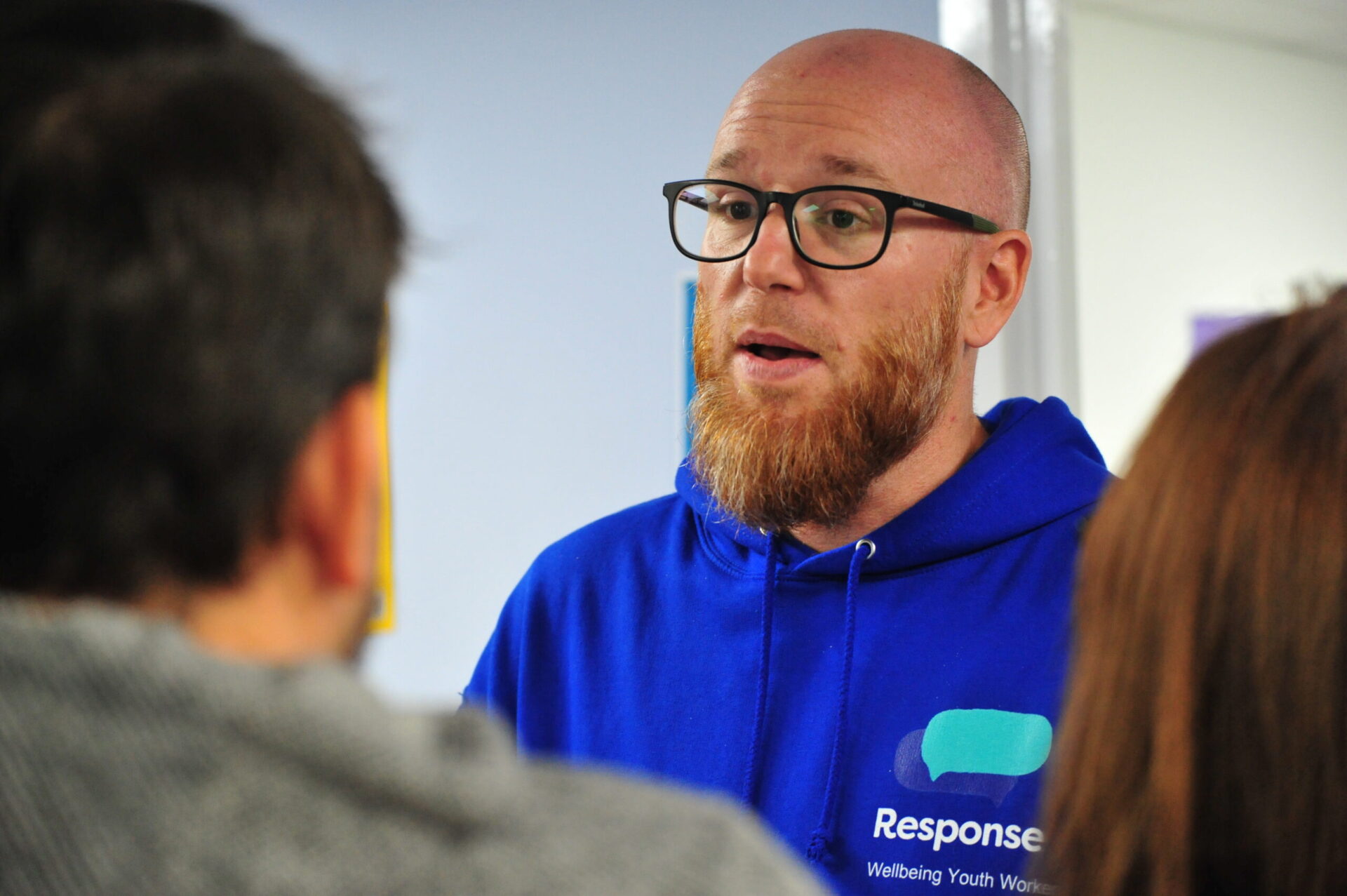
Jamie Douglas, Associate Director of Response Youth, said findings are proof that the current system is not working.
“The pipeline into NEET status is growing, and yet the capacity to respond has been hollowed out,” said Jamie. “There is a direct correlation between a young person not being in education, employment or training and poor mental health, although this isn’t one-directional.
“Having feelings of no purpose damages mental health, and poor mental health makes it harder to get back into work or training. It’s a vicious cycle.
“We see first-hand examples of this locally through our young person services.
“They prioritise a person-centred approach to care so each individual can thrive in an environment where they feel comfortable and supported. Early intervention and prevention are key, and that’s achieved by establishing a trusted relationship which is built over time with a professional.
“It’s a process which, in our view, should be prioritised to help reverse these concerning trends.”
A survey of 4,000 young people by The King’s Trust also revealed half of NEET young people feel hopeless about their future, while almost a third (30 per cent) have developed a mental health problem as a direct result of unemployment.
In addition, more than one quarter (28 per cent) say their mental health has stopped them applying for jobs. Jamie said findings by The King’s trust back up Response’s calls for more investment into resilience coaching and mental health support to tackle the issue’s root cause.
He added: “Flexibility, presence and patience is what separates youth work from traditional systems.
“We believe these reviews must now lead to investment by funding youth workers and mental health support initiatives which go to young people, rather than waiting for young people to come to it when a problem has arisen.
“It’s what our newly opened hub in Thatcham aims to achieve, but even this facility operates with an extensive waiting list only months after opening which can be reversed with the right funding.”